





I Bought Homes With Friends & Family 10 Times. Here’s What I Learned.
I’ve bought ten homes over the last decade, and never alone.
I’ve bought with my dad, my sister, friends, business partners, employees, and my romantic partner. Some of those purchases worked beautifully. Some didn’t. A few taught me lessons I only understood years later.
When I started, there wasn’t much education around buying homes with other people. In fact, it was almost taboo for real estate agents to focus on helping first time buyers, and most of the advice I could find came from traditional real estate playbooks that didn’t really reflect how I wanted to live or build relationships.
So I learned by doing.
Over time, those experiences shaped how I think about shared ownership — what works, what doesn’t, and why buying a home with other people can be incredibly powerful when it’s done thoughtfully.
Here’s what actually happened.
2015: Buying With My Dad at an Auction
Lesson: Ownership without agency doesn’t feel like ownership.
At 25, I bought my first property with my dad, a foreclosure purchased at auction in Atlanta where he lives and I'm from.
On paper, it looked like a smart deal. We bought the home for $50,000 in cash, estimated $10–15k in repairs, and rented it out immediately. We had guidance from someone who bought foreclosure homes for a living, and we did plenty of research.
But it didn’t really feel how I imagined homeownership would.
My dad and I have very different values and approaches. I was excited about real estate and eager to learn, but the way he wanted to run things didn’t align with how I imagined ownership.
At the time, most real estate education came from what I now think of as “real estate bro” culture. I didn’t yet know there were other ways to approach ownership that might feel more collaborative or aligned with how I wanted to build things.
I was a silent partner. I didn’t make day to day decisions, and I didn’t feel much agency. A few years later, my dad bought me out, and I was honestly glad to move on.
What I learned:
Clarity around decision making matters just as much as the money. Equity without voice didn’t feel empowering to me when I was first starting out. I was looking for more than just a pure investment.
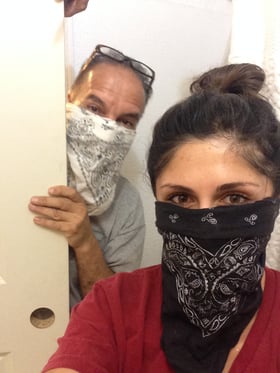
2016: Buying an Investment Property With a Friend
Lesson: Figure out what you actually like to invest in.
At the time, I couldn’t afford to buy where I lived in Austin, Texas. A friend suggested we try buying an investment property in San Antonio, about an hour away, together.
So we did.
The numbers worked, and we eventually sold the property about five years later. Financially, it was fine. But after the excitement of working with a friend, learning how to renovate, and renting out a property, something about it didn’t energize me.
I realized I liked collaborating with someone and sharing the experience of ownership, but I didn’t feel connected to the property itself.
What I learned:
Shared ownership needs meaning to me, not just returns. If I don’t enjoy the place or see my life woven into it, I’m probably not the right partner for that deal.
2017: Buying a Home With My Sister
Lesson: Partnerships work when strengths complement each other.
This is where things started to click.
My sister lived in New York City and worked in fashion. I lived in Austin and just got my real estate license. Neither of us could comfortably buy a home on our own at the time.
But together, we had everything we needed.
She had strong W-2 income and an incredible eye for design. I now had renovation experience and knowledge of the real estate process.
By combining our strengths, we bought a home together in Austin. I put in more cash to buy the property and paid for the renovations. My sister was more of a silent investor and still remains one today.
It was 880 sqft and had 3 bedrooms but only 1 bathroom! I moved in and rented out one room to a long-term roommate and Airbnb’d the other room. This helped me keep my monthly housing payment around $700 a month.
Years later, I refinanced the property, pulled out equity, lowered my interest rate, and removed my sister from the loan while she remained an owner. We still own that property today and rent it to friends.
What I learned:
Great partnerships don’t need to be perfectly 50/50. They’re about aligned goals and complementary strengths.
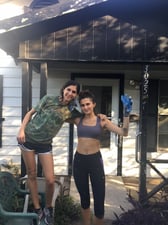
2018: Buying a Triplex With Two Friends
Lesson: If something feels off early, pay attention.
I bought another investment property, a small triplex in San Antonio, with two friends. At the time, I had the real estate bug and was making good money as a realtor. I thought: why not?
This is one of the only purchases I truly wish I had skipped.
By this point, I had already started learning something about myself: if I was buying an investment property, I liked it to be somewhere I could imagine spending time.
This property didn’t fit that.
It was in San Antonio again (I know, I know), needed work, and wasn’t somewhere I would ever stay myself.
On top of that, one of the partners kept shifting her vision of what the investment should be, one week talking about million dollar properties we couldn’t realistically afford, the next suggesting something extremely inexpensive.
We looked at a lot of properties. Several times the other partner and I quietly felt like we were passing on better opportunities, but we didn’t yet know how to speak up.
Instead, we assumed maybe she knew something we didn’t.
Eventually we bought a triplex for about $120,000, which felt like a bargain.
But cheap doesn’t always mean easy.
The property required more time and coordination than expected, and managing it from a distance added friction. After about a year and a half, we decided to seller finance the property and move on.
What I learned:
If a deal feels misaligned from the beginning, with the property or the people, it’s worth slowing down and speaking up. Sometimes you need to walk away even if you get FOMO.
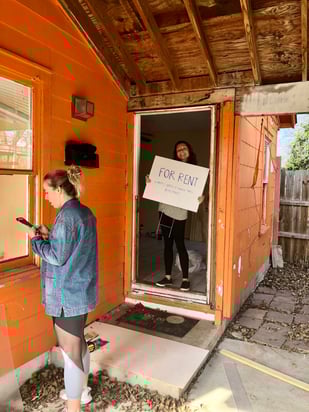
2018: Buying a Commercial Property for My Business
Lesson: Creativity can make deals possible.
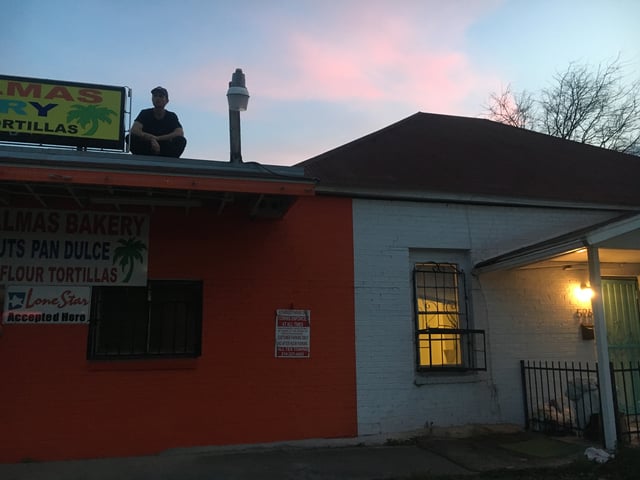
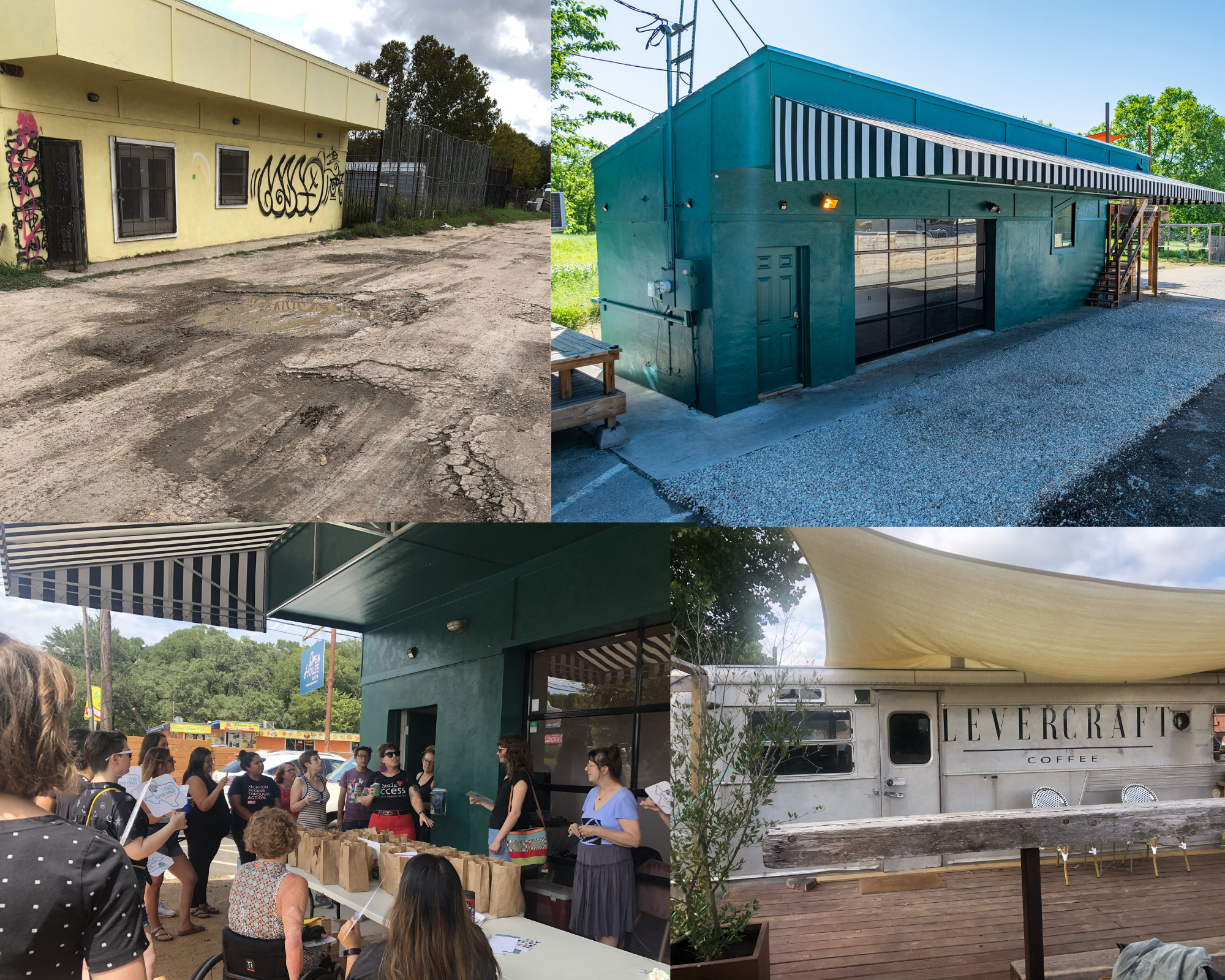
In 2018, I partnered with the girl friend from the earlier San Antonio investment (the one with whom I felt aligned with) and bought a small commercial property in Austin.
It became the office for the company we were building together and also a community event center.
We purchased the building for $240,000 and renovated it. The property included outdoor space that we rented to food trucks, including my partner Eric’s coffee trailer, which helped offset the mortgage.
The project became a hub for our community and small businesses in the neighborhood.
Looking back, it’s one of my favorite properties I’ve ever owned. It checked so many boxes at the time: a home for our business, a commercial property for my portfolio, a community space, and the bonus of working next to my significant other.
This tiny 500 square foot building meant a lot to many people.
The only friction came from some tension with the third partner from our previous San Antonio property. She may have felt left out when we moved forward with this project without her, and looking back I can see that we could have handled those conversations better.
Sometimes buying real estate with friends means having hard conversations. It’s business, but they’re also your friends, so honesty matters.
What I learned:
Sometimes the most interesting deals happen when you rethink what a property can be.
2019: Being a Passive Investor in a Church Conversion
Lesson: Being an investor is different from being an owner.
In 2019, I invested money into a project converting a church into a home with 5 other women. I wasn’t involved in day to day decisions, but everyone of those ladies was super talented and fun to be around. A few years later, the property sold and I got my investment back with a little profit. It was a hands off way of buying real estate with friends that I felt more aligned to than I had before.
But this project was tied to the one relationship that eventually ended because of real estate, with the same friend from the San Antonio deal.
Looking back, the misalignment had been building for a while.
As I write this, I realize how many times it took for me to really learn the lesson. Sometimes you have to make the mistake a few times before it truly sticks.
And honestly, I believe taking risks and making mistakes is part of learning.
What I learned:
Pay attention to patterns in people, not just outcomes in deals.
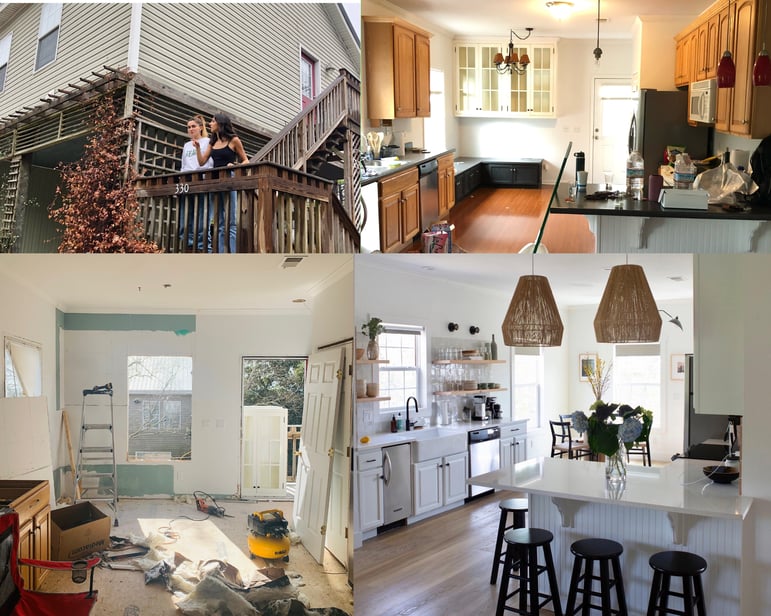
2020: Buying a Beach House With My Sister
Lesson: The best partnerships create both stability and joy.
My sister and I grew up vacationing along Florida’s 30A. For years we talked about owning a beach house there someday, but it always felt like something rich families did, not something two sisters in their 20s could realistically pull off.
But after buying our first home together in Austin, we started realizing it might actually be possible.
I used a cash out refinance on our Austin home to pull equity for the down payment. Combined with my sister’s savings and a creative renovation plan, we purchased a quirky property in Santa Rosa Beach in 2020.
The house was essentially a sneaky duplex, a three bedroom unit upstairs and a smaller apartment downstairs.
We renovated the upstairs ourselves.
Today we self manage the property.
Financially, the house performs well. But more importantly, it has become a place filled with memories.
What I learned:
I really enjoy buying property and doing projects with my sister!
2021: Buying a House With a Tiny Home in the Backyard
Lesson: Don’t ignore your instincts.
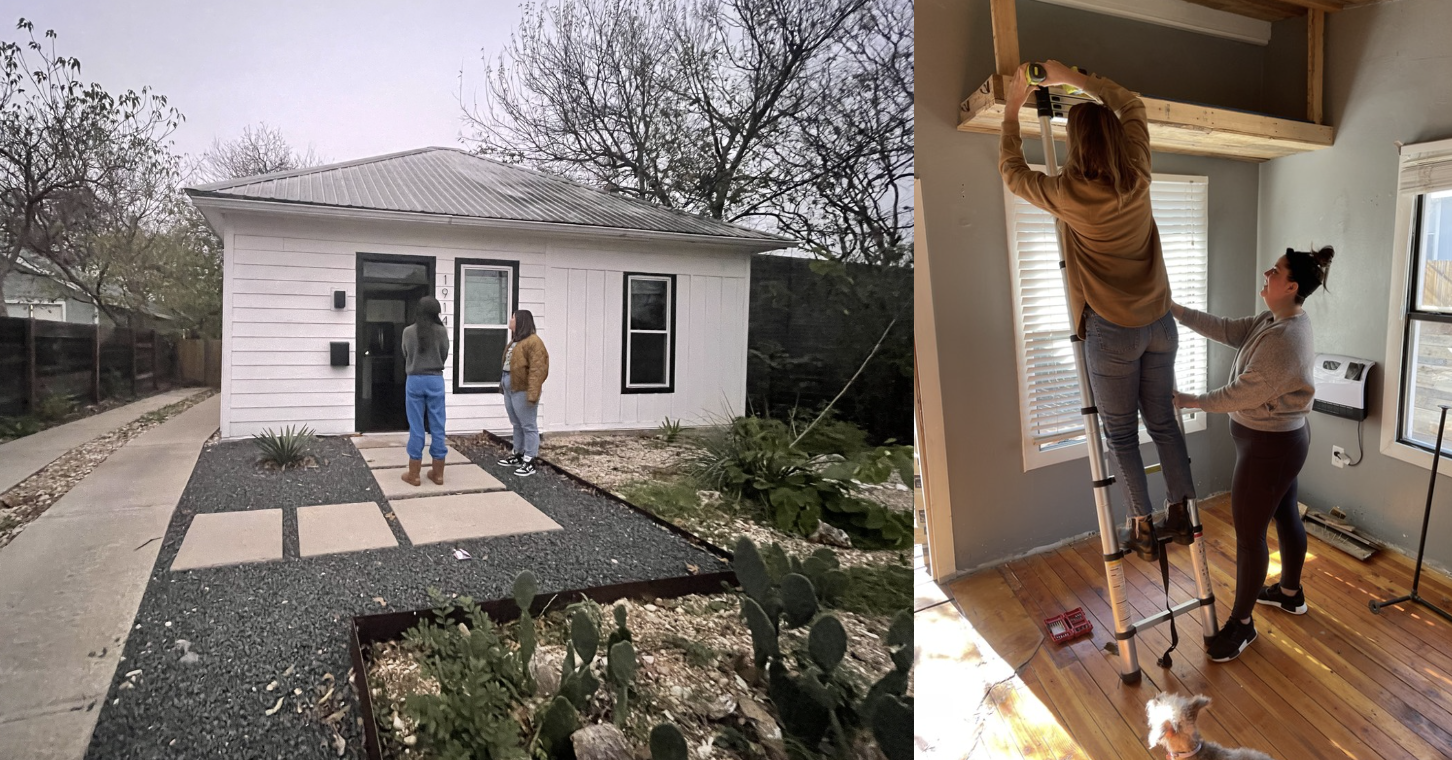
In 2021, I bought a house with four women that included a tiny home in the backyard.
I still own a small percentage today.
Even before the purchase, I had reservations. The property needed structural work and felt expensive for what it was.
Things have worked out fine overall, but it has been more stressful than rewarding.
What I learned:
When your instincts are telling you something about a deal or partnership, it’s worth paying attention. I really need to work on my FOMO!
2021: Buying a Retreat House With Friends
Lesson: Operating agreements matter, a lot.
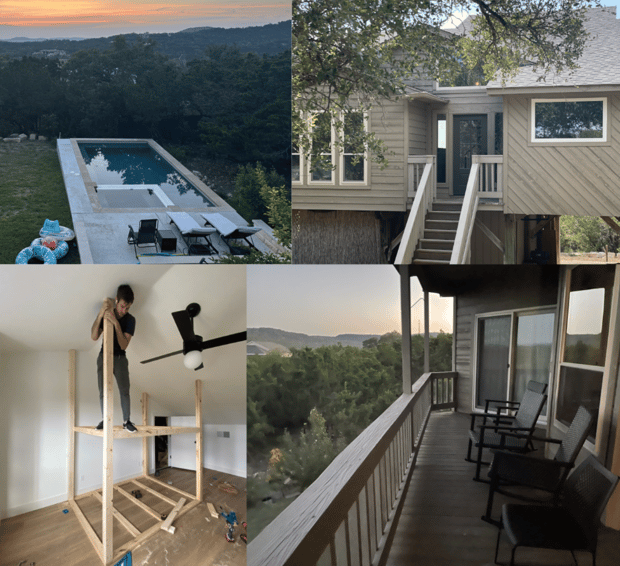
Later that same year, I bought a retreat house with two friends.
About a year later, one person wanted to exit the partnership. We didn’t have a strong operating agreement in place, which made the process harder than it needed to be.
Years later, I learned about Joynt, a platform designed to help co-buyers set up LLCs, operating agreements, and exit structures.
My first thought was honestly:
I wish I had this for every property I bought.
Now I actually work with them!
What I learned:
Hope is not a strategy.
2022: Buying a Home With My Romantic Partner
Lesson: Big houses come with big responsibilities.
The most recent home I bought was with my partner Eric.
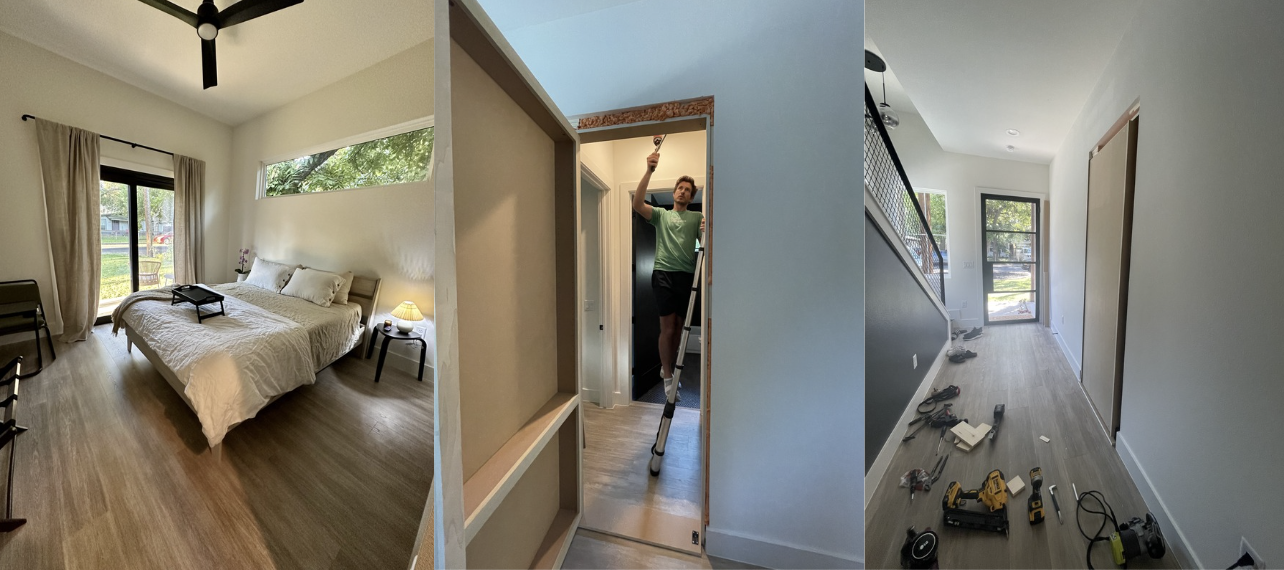
We stretched a bit financially, but offset the cost by creating what we now call a sneaky duplex — renting out a guest space in the home. We had just moved from the small 880 square foot, 3 bedroom, 1 bath house I bought with my sister into a much bigger 2,000 square foot home. We were hoping to start a family and figured we were scrappy enough to make it work.
Within the first year, it generated about $22,000.
Then life happened.
The Austin market shifted, my business partner and I went our separate ways at the company we founded, Eric lost his job, and we ended up moving to a new city in 2025.
We were able to rent the home to great tenants, but it’s an expensive property and definitely causes some stress.
What I learned:
Don’t buy an expensive house unless you have a solid financial cushion and more than one backup plan.
What This Journey Taught Me
I’m not close with everyone I’ve bought property with anymore.
But only one relationship ended specifically because of a deal gone wrong. Most other changes happened the way relationships often do, people drift apart, priorities change, or life simply moves in different directions.
Across ten purchases, a few themes became clear:
Structure matters.
Communication matters.
Exit plans matter.
Alignment matters more than closeness.
Looking Back
Ultimately, going through all of this shaped who I am today.
I gained confidence I didn’t have before. I learned to trust my instincts. I learned what my version of ownership looks like, not the version I saw modeled everywhere else at the time.
Shared ownership allowed me to buy sooner and learn faster than I could have on my own.
What matters most is this:
Buying with other people isn’t risky by default.
Buying without clarity is.
The properties that stayed with me weren’t the ones that looked best on paper. They were the ones that created community and memories, the Austin community center we built and the beach house my sister and I share today.
Honestly, if I had only bought those two properties, I probably would have been pretty happy. But then I wouldn’t have all these lessons to share. Ha! When I started, there wasn’t much guidance for people who wanted to buy homes together. That’s why I’m so aligned with the mission behind Joynt.
Joynt is the first all in one platform built specifically for people who want to buy and own homes with friends or family. It provides the structure, operating agreements, and tools that help people approach co-buying thoughtfully, without needing to learn everything the hard way. And I love that every week I can use my own experiences to make this whole process easier for people and at a company that cares!
If you’re curious about buying a home with friends or family, or want to learn more about how the Joynt platform works, feel free to reach out!
I’m always happy to share what I’ve learned.



Comments